August 21, 2026 · 7 min read
Best Peptides for Hair Growth: Science, Benefits, and What the Research Says

Hair thinning affects millions of people worldwide, regardless of age or gender. While losing around 50–100 hairs daily is considered normal, excessive shedding or gradual thinning can become frustrating and impact confidence.
Hair loss can result from many factors, including genetics, hormonal changes, aging, nutritional deficiencies, stress, autoimmune conditions, certain medications, and scalp inflammation. Traditional treatments such as minoxidil and finasteride remain the most widely recommended options, but researchers continue exploring new ways to support healthy hair growth.
One area receiving increasing attention is peptide therapy for hair. Peptides are small chains of amino acids that act as signaling molecules throughout the body. Some peptides are being investigated for their potential role in hair follicle repair, scalp health, and supporting the natural hair growth cycle.
In this guide, you'll learn what peptides are, how they may influence hair growth, the best peptides for hair growth, what current research says, and the limitations you should know before considering peptide-based products, including why searches like ghk-cu for sale should be approached carefully and evaluated with attention to safety, quality, and scientific evidence.
What Are Peptides?
Peptides are short chains of amino acids in the building blocks of proteins. Unlike larger proteins, peptides are small enough to act as biological messengers that tell cells how to behave. Different peptides have different functions. Some support collagen production, while others influence tissue repair, inflammation, or wound healing.
Researchers are interested in hair growth peptides because healthy hair follicles rely on constant communication between skin cells, blood vessels, growth factors, and connective tissue. Certain peptides may help support these biological processes. It's important to understand that peptides are not miracle treatments. Most investigations remain for hair growth, and evidence in humans is still limited.
How Hair Growth Works
To understand how peptides may help, it's useful to know how hair normally grows.
Anagen (Growth Phase)
This is the active growth stage, lasting anywhere from two to seven years. Around 85–90% of your hair is usually in this phase.
Catagen (Transition Phase)
A short stage lasting two to three weeks where hair growth slows and the follicle begins shrinking.
Telogen (Resting Phase)
Hair rests for several months before naturally shedding, making room for new hair growth. Healthy follicles are essential for maintaining thick, strong hair. Damage from inflammation, poor circulation, hormonal changes, or aging can shorten the growth phase and contribute to thinning.
How Peptides May Support Hair Growth
Scientists believe peptides may support hair health through several biological mechanisms.
Improved Scalp Circulation
Healthy follicles require oxygen and nutrients. Some peptides may encourage better blood vessel function, helping nourish hair follicles.
Increased Collagen Production
Collagen supports the skin surrounding hair follicles. Certain peptides, especially copper peptides for hair, may stimulate collagen synthesis, improving the scalp environment.
Tissue Repair
Hair follicles experience ongoing wear and repair. Peptides involved in wound healing may assist tissue regeneration.
Reduced Inflammation
Chronic inflammation can negatively affect follicle function. Some peptides demonstrate anti-inflammatory effects in laboratory research.
Follicle Signaling
Peptides may influence growth factors involved in maintaining the anagen phase and supporting follicle activity.
Best Peptides for Hair Growth
1. GHK-Cu Peptide
GHK-Cu peptide is a naturally occurring copper-binding peptide first identified in human plasma. It has become one of the most researched peptides in cosmetic and regenerative medicine.
How It Works
Researchers believe GHK-Cu may:
- Stimulate collagen production
- Support wound healing
- Reduce inflammation
- Encourage blood vessel formation
- Influence genes involved in tissue repair
These mechanisms have led scientists to investigate its role in supporting healthier hair follicles.
Potential Benefits
Possible benefits include:
- Improved scalp health
- Better follicle environment
- Stronger hair shafts
- Reduced oxidative stress
- Healthier skin surrounding follicles
Current Research
Laboratory and animal studies suggest GHK-Cu may stimulate pathways associated with hair follicle activity. Some cosmetic products containing copper peptides have reported improvements in hair appearance and density, but high-quality human clinical trials remain limited.
Limitations
Current evidence does not prove that GHK-Cu consistently regrows hair in people with pattern baldness. More large-scale human studies are needed.
2. BPC-157
BPC-157 is a synthetic peptide derived from a protective protein found in the stomach. Most research has focused on healing and tissue repair rather than hair growth.
How It May Help
Researchers believe BPC-157 may:
- Support wound healing
- Reduce inflammation
- Improve blood vessel formation
- Promote tissue regeneration
Possible Role in Hair Growth
Although no strong human studies show BPC-157 directly stimulates hair growth, healthier scalp tissue may indirectly support follicle function.
Research Status
Most available evidence comes from laboratories and animal studies. Human research specifically examining hair growth remains extremely limited.
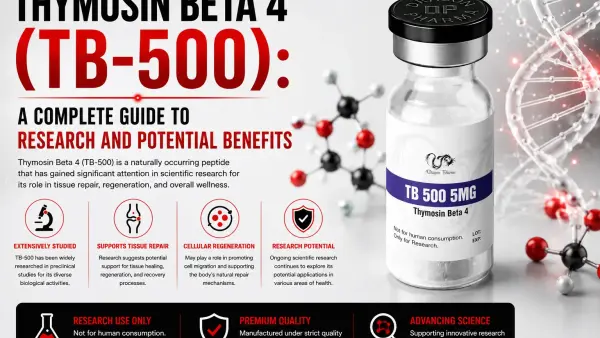
3. TB-500
TB-500 is a synthetic version of thymosin beta-4, a naturally occurring protein involved in tissue repair.
Proposed Mechanisms
Research suggests TB-500 may:
- Support cell migration.
- Promote healing.
- Encourage blood vessel development.
- Reduce inflammation.
Hair Benefits
Since healthy follicles depend on adequate blood supply and tissue repair, TB-500 has attracted interest as a possible supportive therapy.
Current Evidence
At present, there is little direct evidence showing TB-500 improves hair growth in humans. Most research focuses on wound healing and recovery rather than alopecia.
Other Cosmetic Peptides Worth Knowing
Several cosmetic ingredients marketed for hair care also contain peptides.
Biotinoyl Tripeptide-1
Often included in hair serums, this peptide is designed to strengthen hair anchoring and improve follicle support.
Acetyl Tetrapeptide-3
This peptide is commonly paired with botanical extracts to help improve scalp condition and hair density.
Capixyl
Capixyl combines Acetyl Tetrapeptide-3 with red clover extract. It is marketed as a cosmetic ingredient that may support thicker-looking hair.
Procapil
Procapil combines peptides with plant-based ingredients and vitamins to support scalp health and strengthen existing hair. While these ingredients appear in many cosmetic products, independent clinical evidence remains modest.
Scientific Evidence
Current research on peptides for hair loss is promising but still developing.
Laboratory Studies
Cell culture studies suggest several peptides may stimulate biological pathways associated with tissue repair, collagen production, and follicle activity.
Animal Studies
Animal research has demonstrated improved wound healing and, in some cases, enhanced hair regrowth after peptide treatment.
Human Studies
Human evidence is considerably more limited. Small clinical studies involving topical copper peptides and cosmetic peptide formulations have shown encouraging results, but larger, well-controlled trials are still needed. Importantly, no peptide is currently FDA-approved specifically for treating hair loss.
Potential Benefits
Although research continues, peptides may offer several potential advantages.
- Support healthier scalp tissue.
- Improve collagen production.
- Reduce inflammation.
- Strengthen hair follicles.
- Enhance hair density!
- Support the natural hair growth cycle.
- Promote healthier-looking hair.
These benefits should be viewed as potential rather than guaranteed outcomes.
Who Might Consider Learning About Hair Peptides?
Research into peptides may be relevant for people experiencing:
- Androgenetic alopecia (pattern hair loss)
- Age-related thinning
- Stress-related shedding.
- Cosmetic concerns about scalp health
- Individuals interested in emerging regenerative therapies
Learning about peptides can help consumers understand current research, but treatment decisions should be based on medical advice and evidence.
Peptides vs Traditional Hair Loss Treatments
|
Treatment |
Evidence |
Main Purpose |
|
Minoxidil |
Strong |
Stimulates hair growth in many patients |
|
Finasteride |
Strong |
Reduces hormone-related hair loss in men |
|
PRP |
Moderate |
Uses platelet-rich plasma to support follicles |
|
Hair Transplant |
Strong |
Surgically restores hair |
|
Peptides |
Emerging |
Investigational support for scalp and follicle health |
Traditional treatments currently have much stronger clinical evidence than peptide-based therapies. Rather than replacing established options, peptides are being studied as possible complementary approach.
Conclusion
Interest in the best peptides for hair growth continues to grow as researchers explore new ways to support healthy hair follicles. Among currently discussed options, GHK-Cu peptide has the strongest scientific foundation, while BPC-157 5mg and TB-500 are primarily studied for tissue repair and healing rather than direct hair growth.
Although laboratory and animal studies are encouraging, high-quality human research remains limited. At present, no peptide has been approved specifically as a treatment for hair loss, and peptides should not be viewed as a substitute for established therapies such as minoxidil or finasteride.
For individuals experiencing persistent hair thinning, the most effective approach is obtaining an accurate diagnosis from a healthcare professional. Combining evidence-based treatments with healthy lifestyle habits, appropriate scalp care, and emerging options such as the GHK-Cu peptide may offer the best opportunity to maintain healthy hair while researchers continue to investigate the future potential of peptide-based therapies.